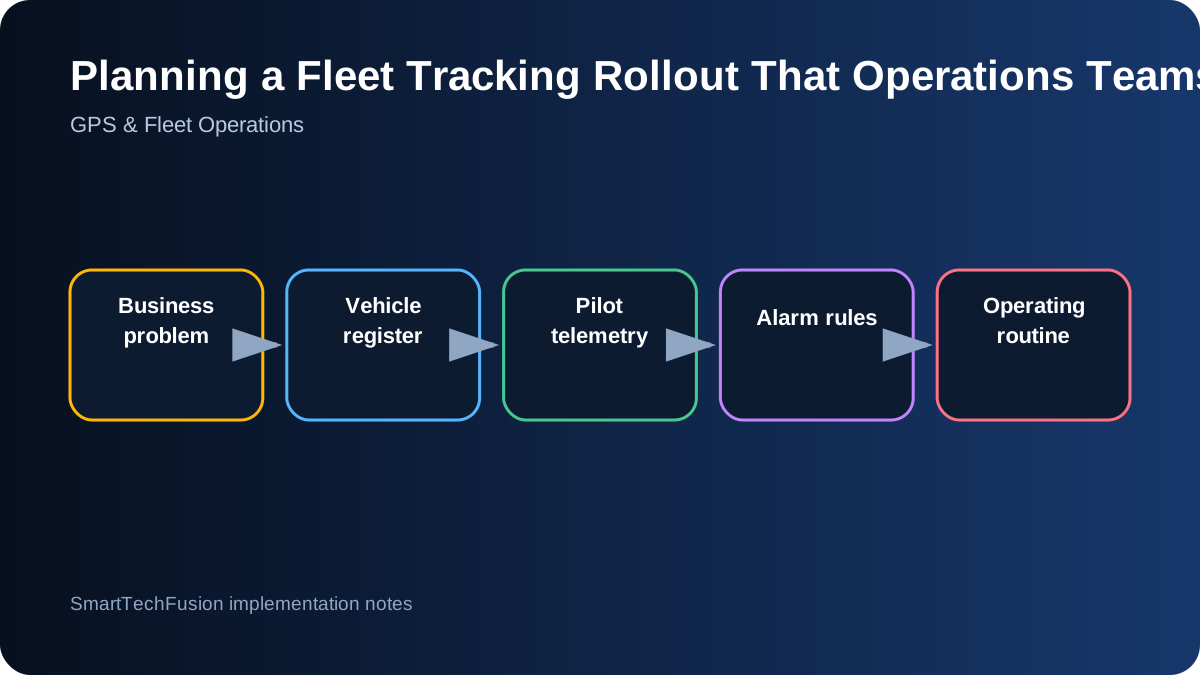
Planning a Fleet Tracking Rollout That Operations Teams Can Actually Use
A practical guide to selecting telemetry, piloting devices, setting alarms, assigning responsibility, and turning GPS data into routine fleet decisions.
First-party implementation guides based on project planning, prototypes, commissioning, and primary documentation. We intentionally publish fewer, deeper articles instead of mass-produced summaries.
A practical guide to selecting telemetry, piloting devices, setting alarms, assigning responsibility, and turning GPS data into routine fleet decisions.
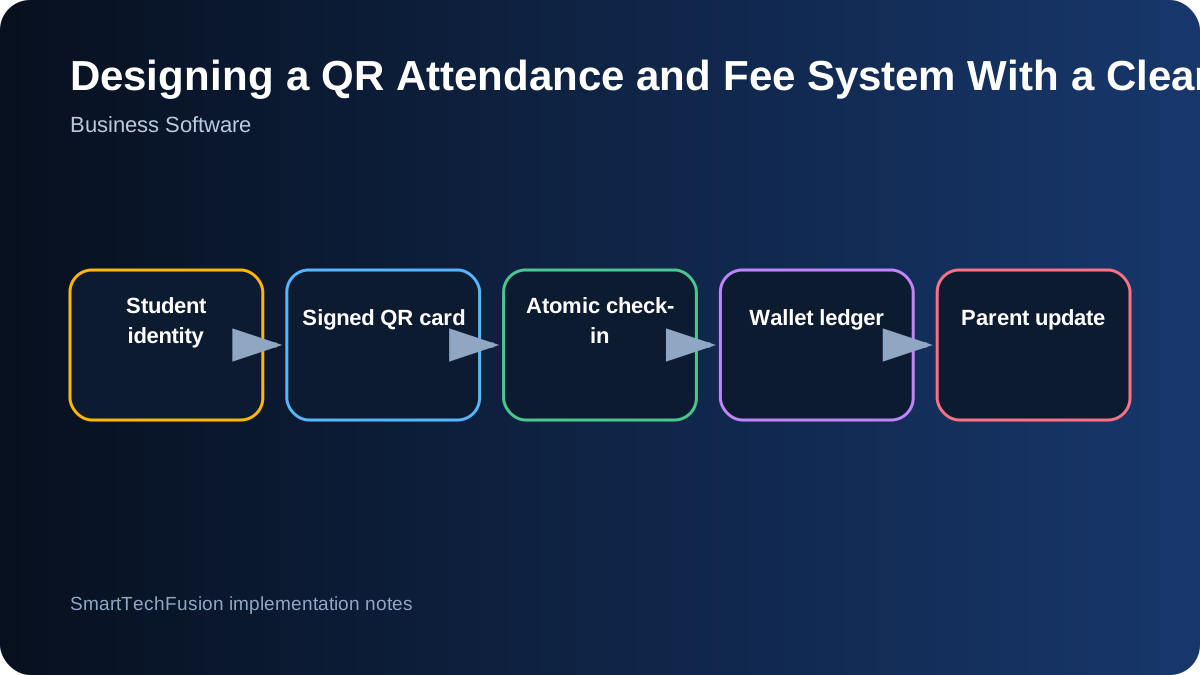
How to design student identity, signed QR cards, duplicate-scan protection, balance deductions, notifications, and reports without creating disputed records.
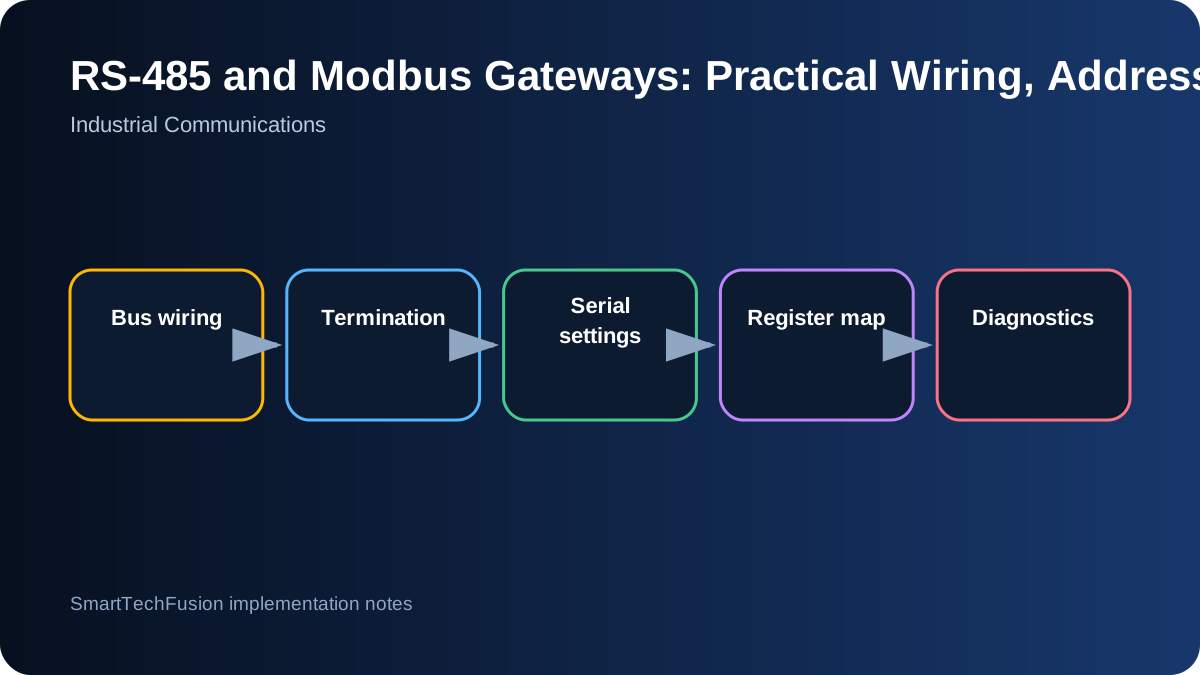
A field-oriented guide to separating physical-layer faults from protocol faults when integrating meters, sensors, PLCs, and gateways.
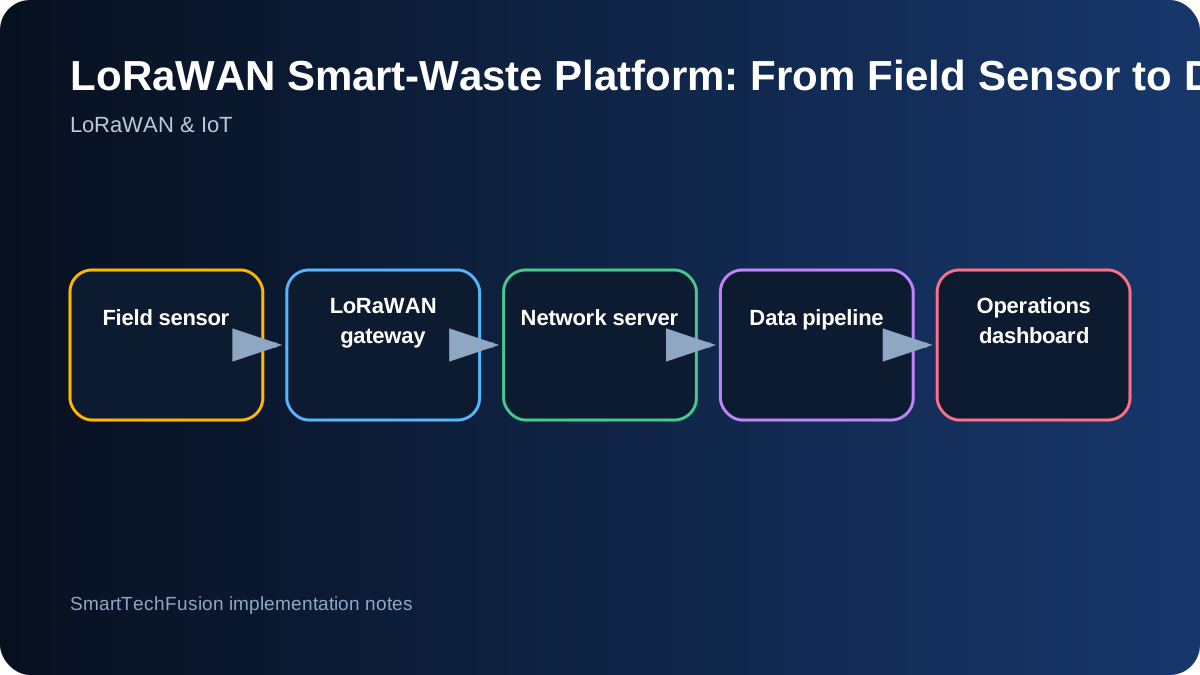
A complete architecture for connecting fill-level sensors and gateways to a secure cloud platform with normalized data, device health, alerts, and operational reporting.
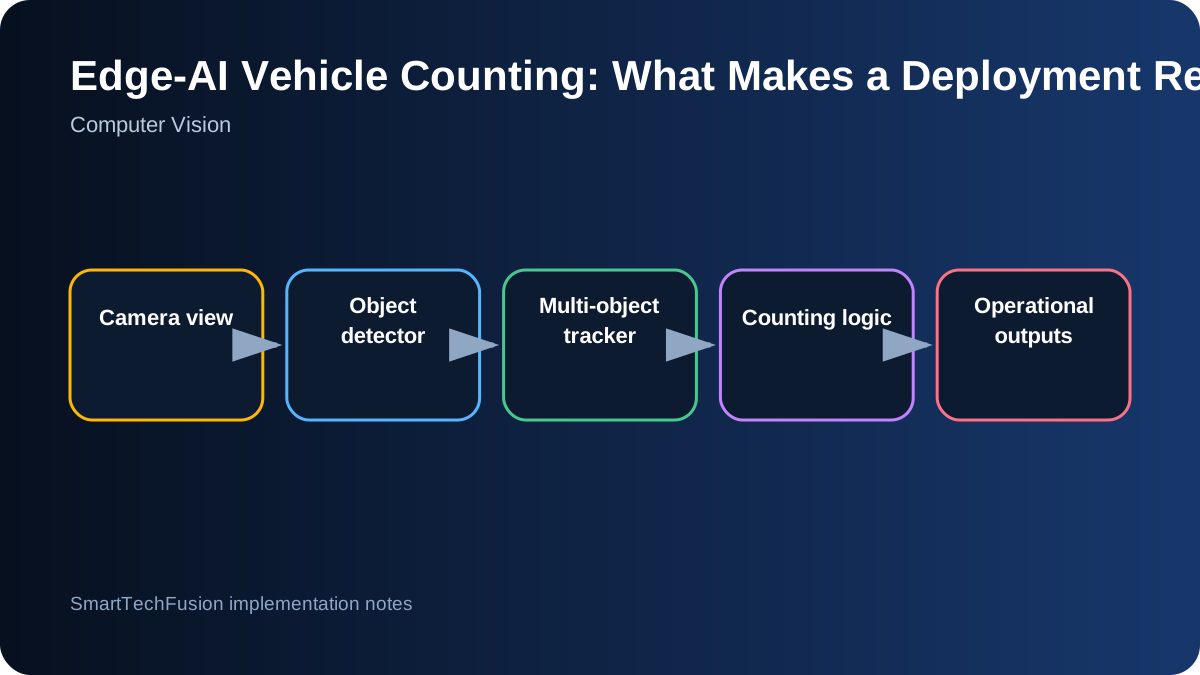
Why camera placement, tracking, counting rules, ground-truth testing, performance control, and evidence handling matter more than a detector demo.
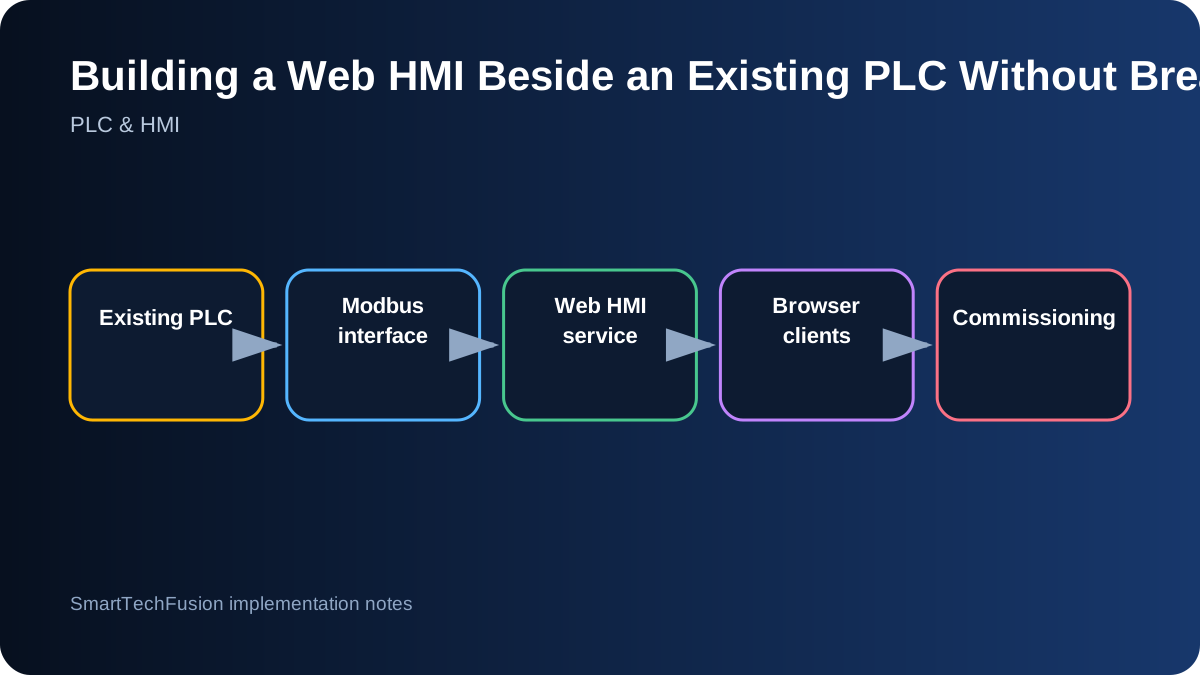
A conservative integration pattern for adding a browser-based HMI while keeping the PLC as the sole control authority and preserving the proven operator workflow.
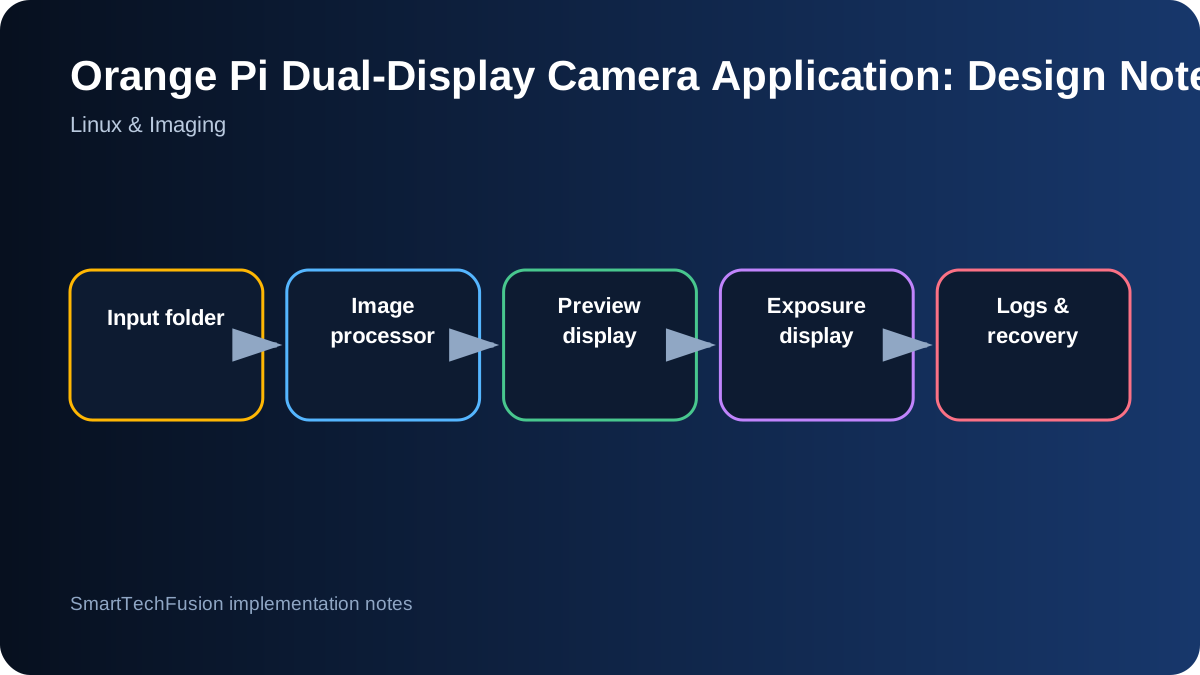
Practical architecture for image intake, RGB separation, geometry preservation, two independent displays, calibrated exposure timing, and diagnosable startup behavior.
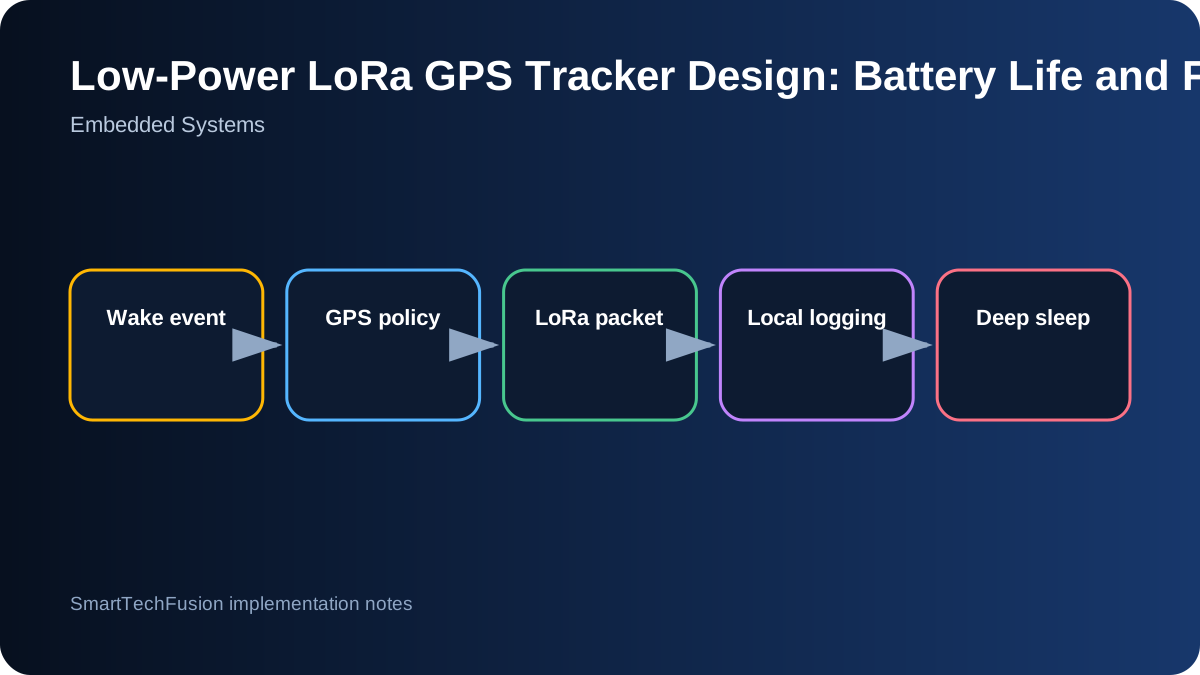
How to budget energy, control GPS and radios, design packets, log evidence, and diagnose battery behavior in a field tracker.
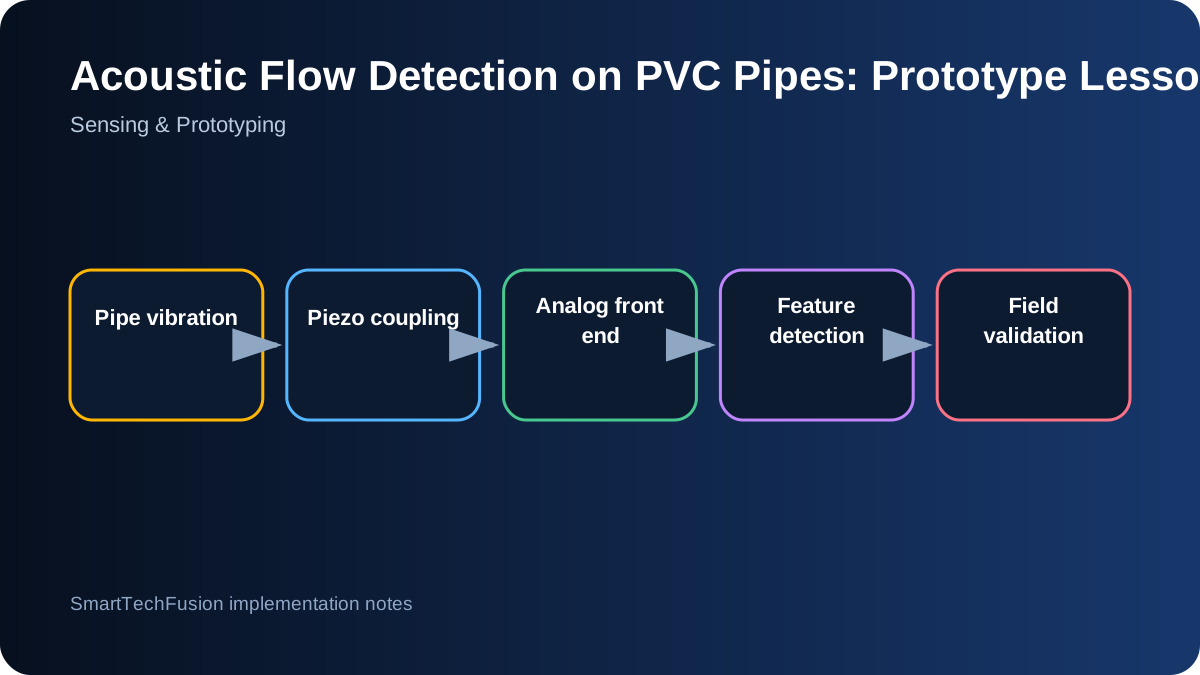
A grounded method for testing whether a pipe-mounted piezo sensor can distinguish water-flow events across pipe sizes and installation conditions.
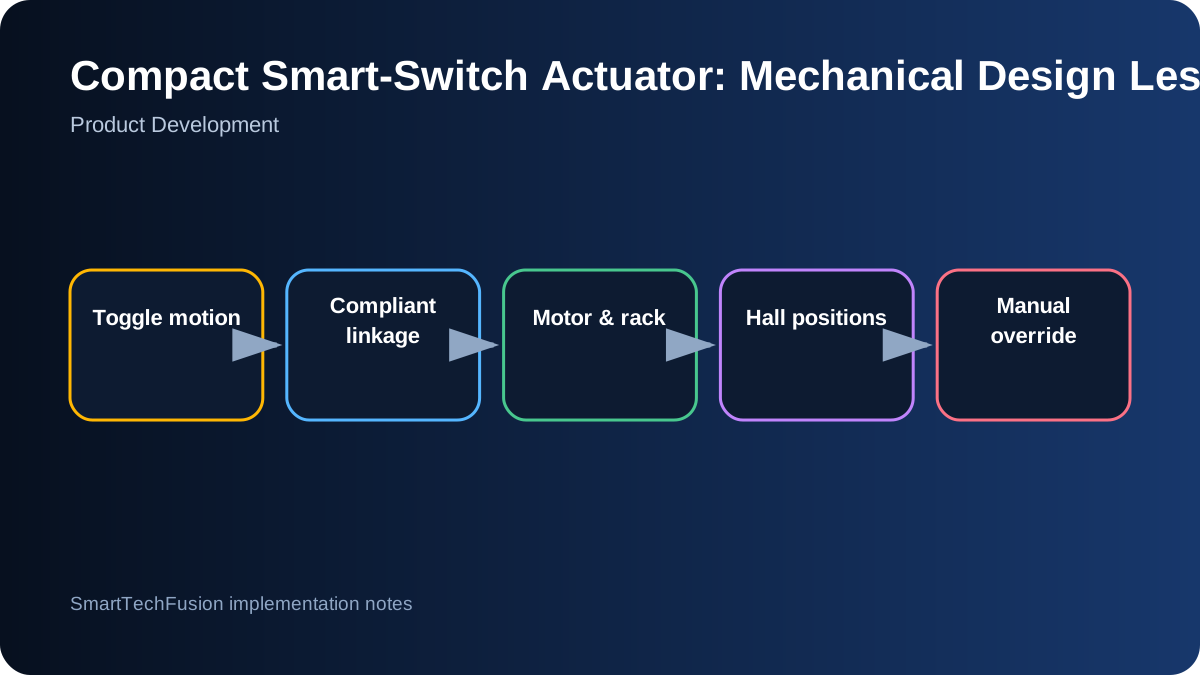
What matters when a small motorized actuator must operate a real wall toggle while preserving manual use, position feedback, battery life, and printability.
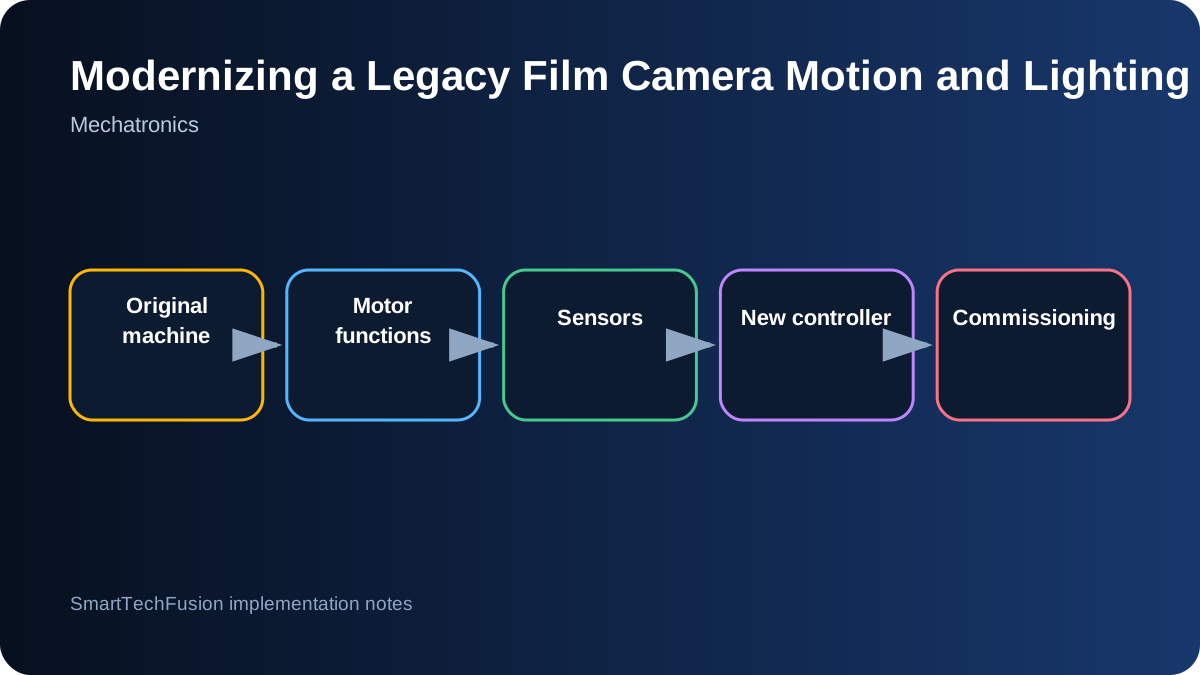
A staged method for documenting old machinery, replacing unavailable controllers, synchronizing motors, validating sensors, and preserving safe manual recovery.
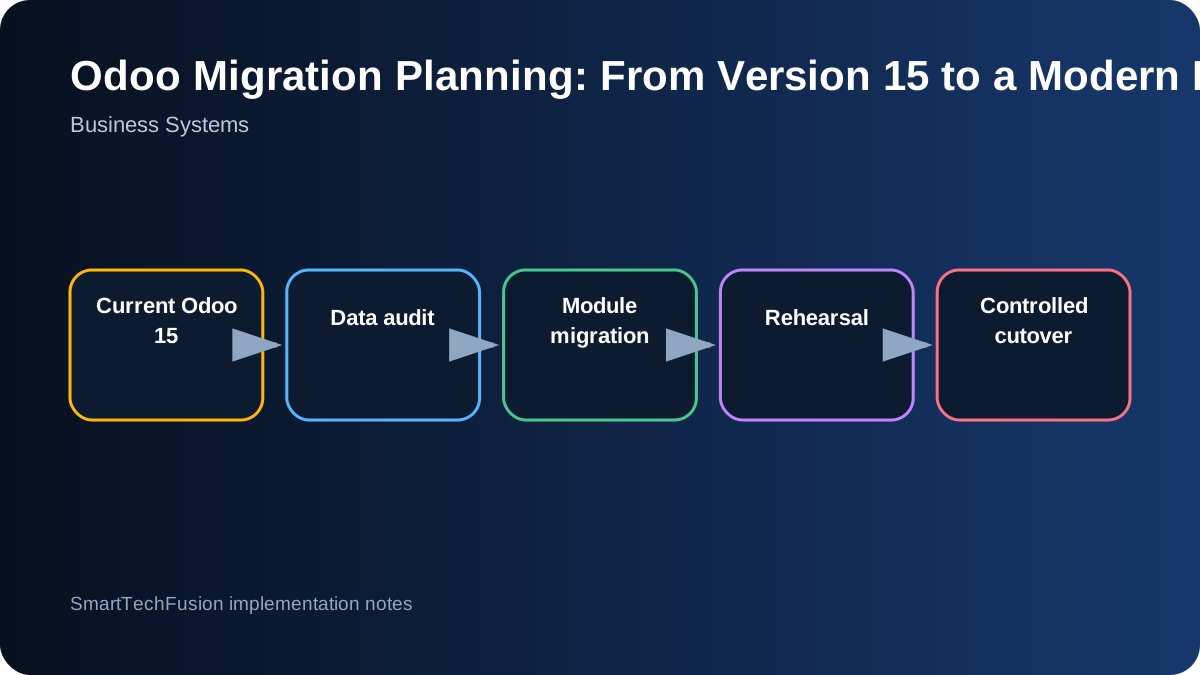
How to scope data, custom modules, integrations, accounting validation, rehearsal, user training, and rollback before a major Odoo upgrade.
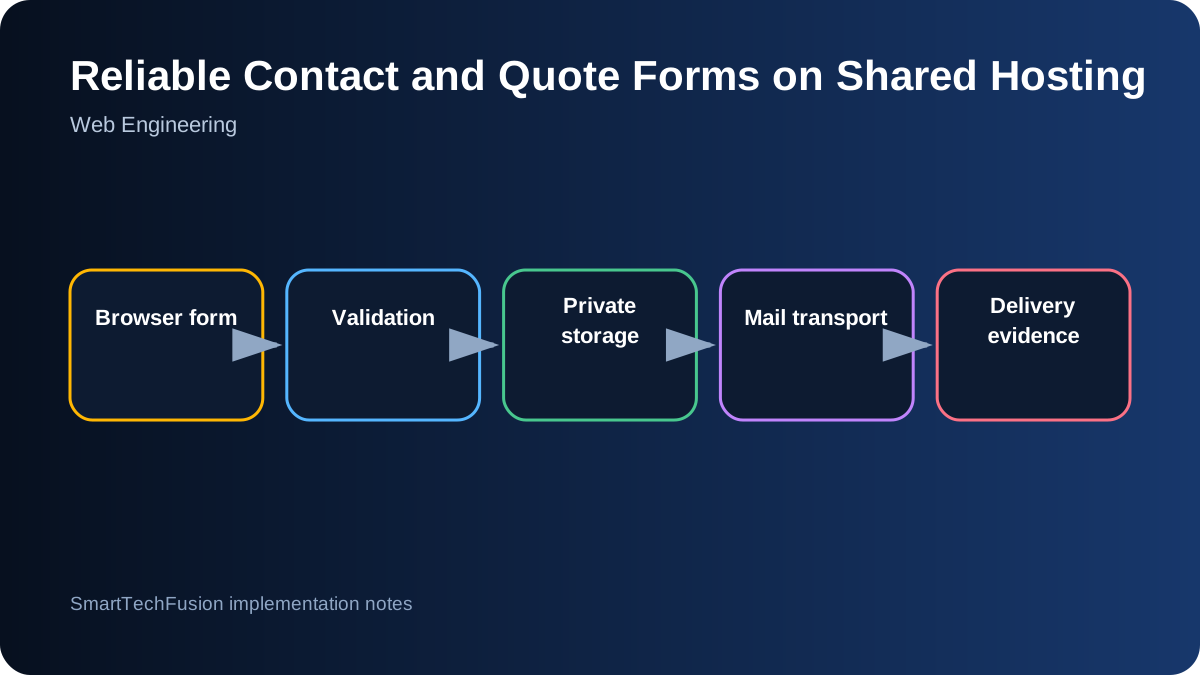
How to validate submissions, use a real domain sender, save a private fallback copy, detect delivery failures, and move from PHP mail to authenticated SMTP.
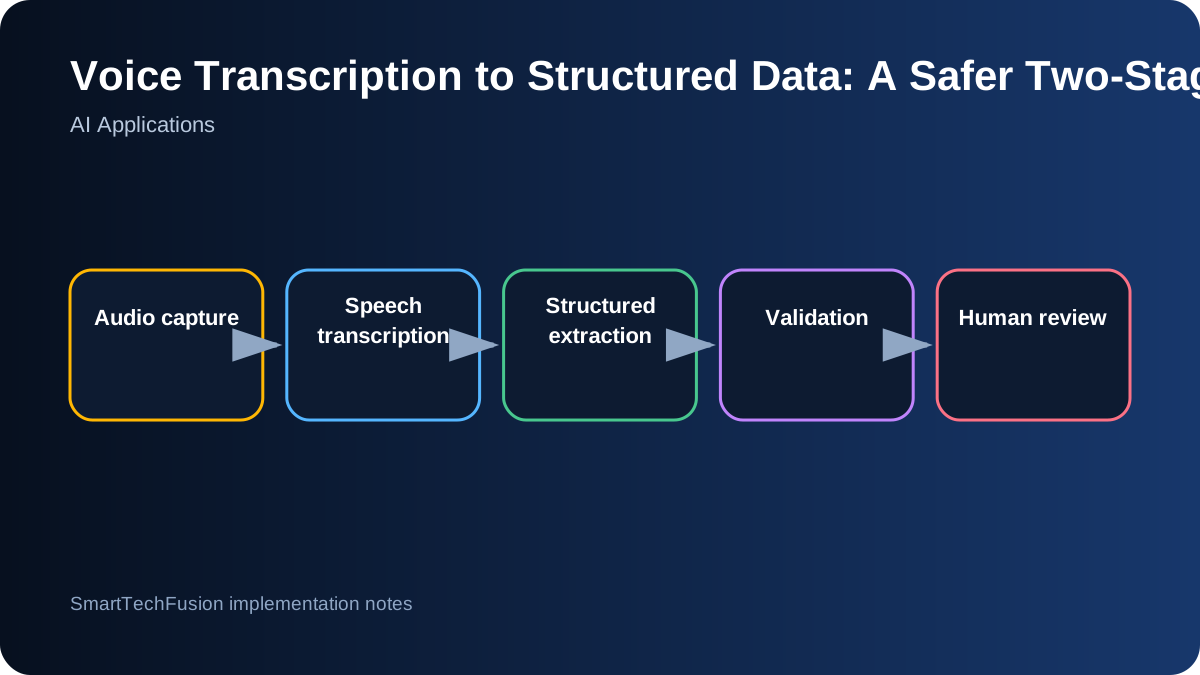
Why complete audio capture, a dedicated transcription stage, strict structured extraction, confidence handling, and human review create more reliable voice workflows.
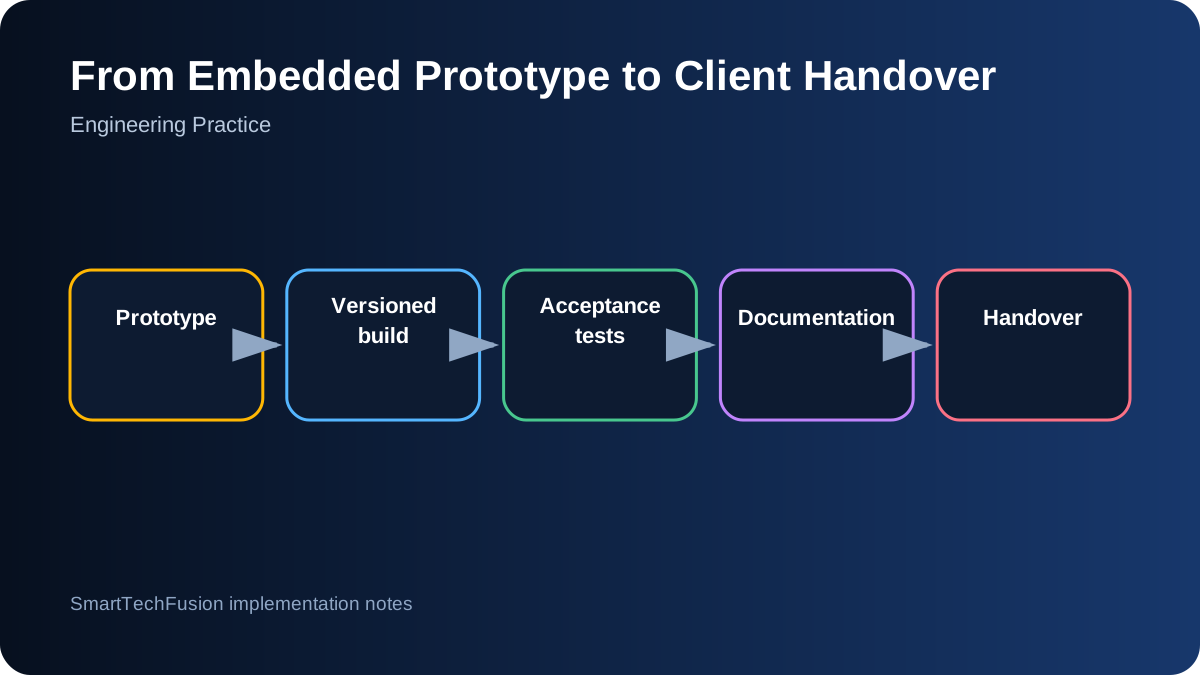
A delivery checklist for versions, source code, wiring, configuration, secrets, installation, layered tests, recovery, and support boundaries.
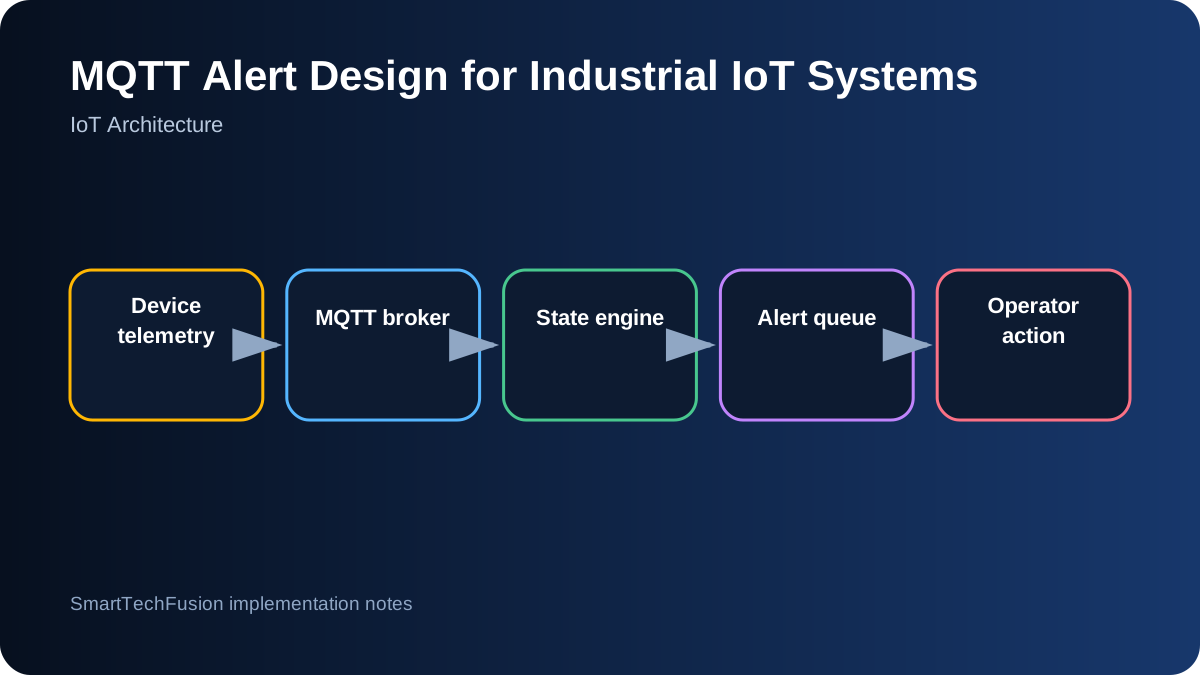
How to separate telemetry, state, and events; detect offline devices; avoid alert storms; preserve acknowledgement history; and test failure behavior.
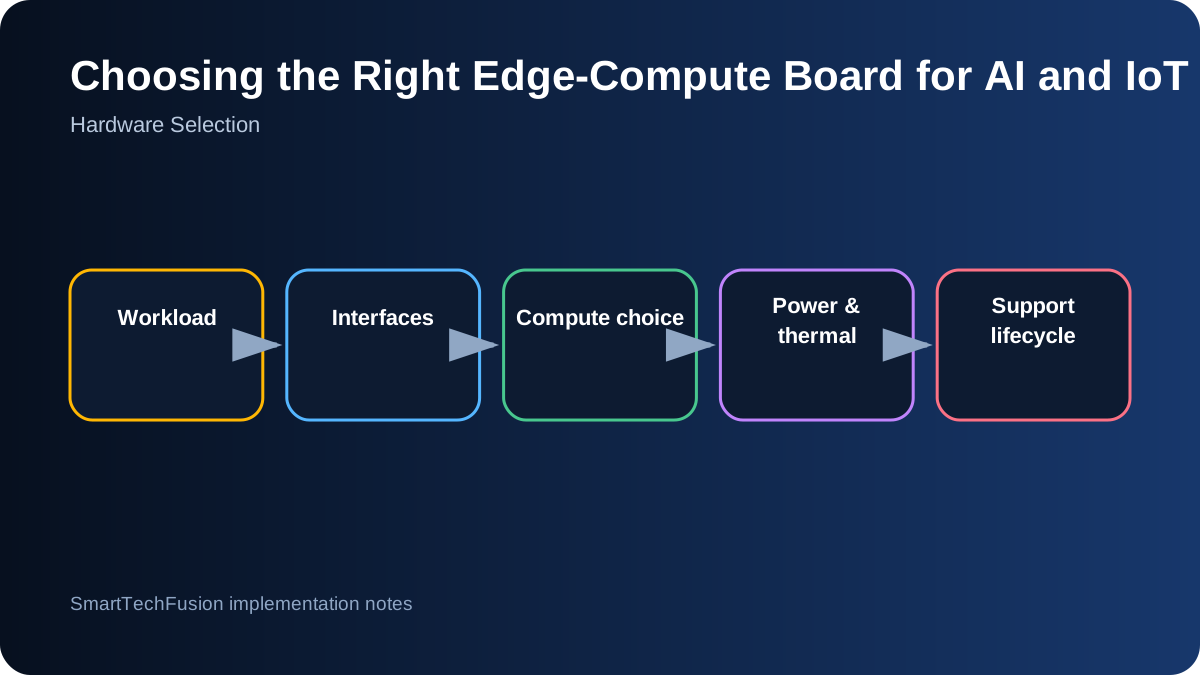
A requirements-first comparison of microcontrollers, Linux SBCs, GPU modules, and AI accelerators based on workload, interfaces, power, thermal behavior, storage, and supportability.
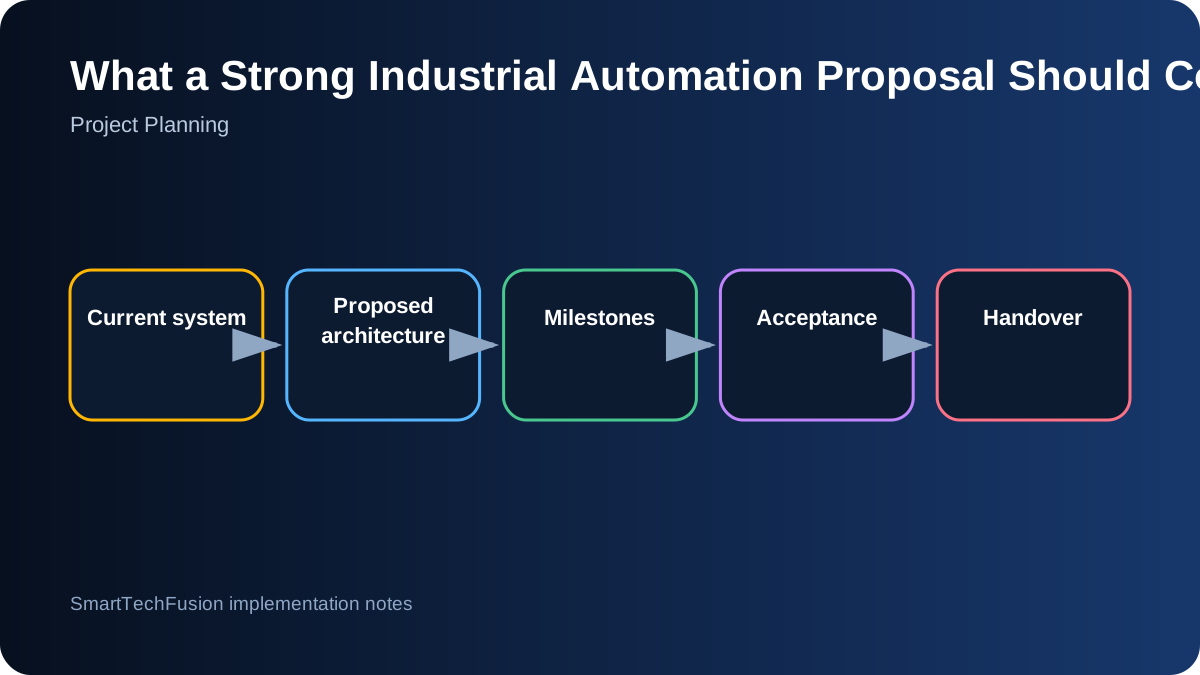
A practical structure for defining outcomes, existing equipment, architecture, milestones, acceptance tests, assumptions, security, documentation, and commissioning.